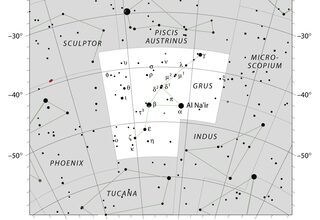
 IAU Chart
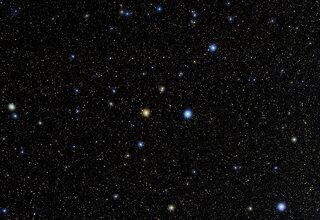 NOIRLab Images
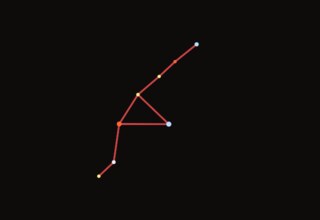 Stars and Sticks
| Abbreviation | Gru |
|---|---|
| Meaning | Crane |
| Pronunciation Guide is based on “Pronouncing Astronomical Names,” published in 1943 by the American Astronomical Society. | GRUSS |
| Genitive The genitive is the Latin possessive form used in star names. For example, Alpha Orionis means “the Alpha of Orion.” | GROO-is |
| Best Month | October |
| Visibility | Southern |
| Origin | ExplorationCreated by 16th-century Dutch navigators (Keyser & de Houtman) to fill the blank spaces of the southern sky during their voyages to the East Indies. |
| Author | Keyser & de HoutmanDutch explorers whose southern star observations during the first Dutch expedition to the East Indies provided the data for 12 new constellations. |
| Type | constellation |
| Difficulty | Moderate |
| Description | The Crane was created by Dutch navigators in the 1590s, representing the graceful wading bird revered in ancient Egypt as a symbol of the astronomer due to its habit of flying in high V-formations. In Greek myth cranes were said to carry the souls of the dead. The brightest star, Alnair (Alpha Gruis), is a hot blue-white star about 101 light-years away and approximately 263 times more luminous than the Sun; its name derives from the Arabic for 'the bright one from the fish's tail.' The constellation contains a well-known optical pair — Pi¹ and Pi² Gruis — two unrelated stars that appear close together but are actually very different: one a Sun-like star nearby, the other a red giant 500 light-years away. |
Click a thumbnail to view full-size. Plain and Annotated versions available on the image page.
Images: NOIRLab/NSF/AURA/E. Slawik · IAU and Sky & Telescope · Stellarium — Full credits →